
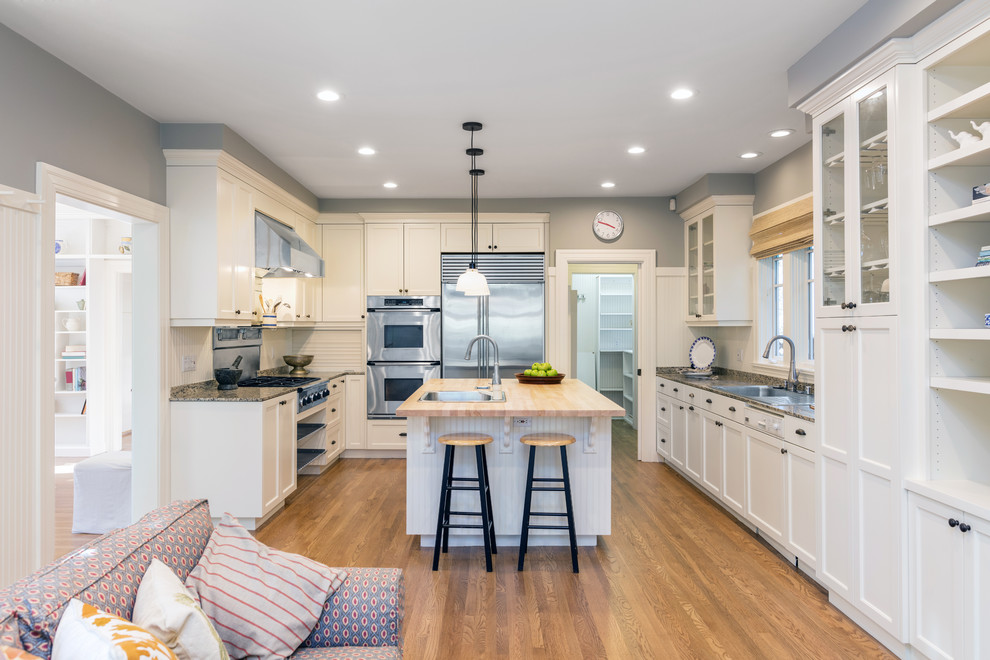
Absolutely! Here’s a 1000-word blog on Design and Planning Your Home. I’ve structured it with headings, subheadings, and smooth flow so it’s SEO-friendly and reader-friendly.
Design and Planning Your Home: Turning Your Dream into Reality
Designing and planning a home is one of the most exciting yet challenging journeys a homeowner can undertake. Whether building a new house from scratch or remodeling an existing space, thoughtful planning ensures your home is not only beautiful but also functional and sustainable. In this guide, we’ll walk you through the essential steps, tips, and considerations for designing and planning your dream home.
Understanding Your Vision
Before diving into floor plans, colors, or materials, it’s crucial to define your vision. Ask yourself:
- What style resonates with you? Modern, traditional, rustic, or minimalist?
- How many rooms and spaces do you need?
- What lifestyle do you want your home to support?
Creating a vision board or collecting images of interiors and exteriors that inspire you can provide a clear reference for your design preferences. This step helps you communicate your ideas effectively to architects, designers, or contractors.
Setting a Realistic Budget
A well-planned budget is the backbone of a successful home design project. Start by estimating:
- Construction costs: Materials, labor, and permits.
- Design costs: Architect or designer fees, interior design, landscaping.
- Contingency fund: Typically 10-15% of your total budget for unexpected expenses.
Knowing your financial limits early ensures you make informed decisions, avoiding compromises later in the project.
Choosing the Right Layout
The layout of your home determines how comfortable and functional your living space will be. Consider:
- Flow: Ensure rooms are connected logically. For example, the kitchen near the dining area, bedrooms away from noise.
- Space utilization: Optimize every square foot, including storage and multi-purpose areas.
- Future needs: Plan for growth, such as adding children’s rooms, a home office, or extra storage.
Architects and designers often create 3D models or digital floor plans, making it easier to visualize the layout and make adjustments before construction begins.
Prioritizing Functionality and Comfort
While aesthetics are important, functionality should never be overlooked. Focus on:
- Lighting: Natural light improves mood and reduces energy costs. Large windows, skylights, and strategically placed lamps enhance comfort.
- Ventilation: Proper airflow prevents mold, maintains indoor air quality, and keeps your home cool.
- Acoustic comfort: Consider soundproofing, especially in bedrooms and entertainment areas.
- Ergonomics: Ensure furniture, counters, and appliances are user-friendly and comfortable.
A well-planned home balances beauty with practical living requirements.
Choosing Materials and Finishes
The materials you select impact durability, maintenance, and aesthetics. Consider:
- Sustainable options: Eco-friendly materials like bamboo, recycled wood, and low-VOC paints reduce environmental impact.
- Durability: High-traffic areas require robust flooring, countertops, and finishes.
- Consistency: Maintain a cohesive style across your home by coordinating colors, textures, and materials.
Don’t forget to factor in the climate of your region when selecting materials to ensure longevity and performance.
Integrating Smart Home Technology
Modern homes increasingly incorporate smart technology for convenience, efficiency, and security. Consider integrating:
- Smart lighting and thermostats
- Security cameras and smart locks
- Voice-controlled assistants
- Automated window treatments
Smart home integration can make daily living more convenient and increase the overall value of your property.
Planning Outdoor Spaces
A home isn’t complete without functional and attractive outdoor areas. Consider:
- Gardens and landscaping: Add greenery to improve air quality and create a serene environment.
- Patios and decks: Perfect for outdoor dining, relaxation, or entertaining guests.
- Driveways and walkways: Ensure safe and easy access while enhancing curb appeal.
Outdoor spaces should complement the interior design, creating a seamless connection between indoor and outdoor living.
Hiring Professionals vs. DIY
While some aspects of home design can be handled independently, professional guidance often saves time, money, and stress. Key professionals include:
- Architects: Create detailed floor plans and ensure structural integrity.
- Interior designers: Help with layout, color schemes, furniture, and decor.
- Contractors: Oversee construction, ensuring quality work and adherence to timelines.
Even if you prefer a DIY approach, consulting experts at crucial stages can prevent costly mistakes.
Planning for Energy Efficiency
Sustainable design not only helps the environment but also reduces long-term costs. Consider:
- Energy-efficient appliances
- Insulation, double-glazed windows, and reflective roofing
- Solar panels or renewable energy solutions
- Water-saving fixtures and rainwater harvesting
Energy-efficient homes are increasingly valued in real estate markets and contribute to a greener lifestyle.
Staying Flexible
Even with meticulous planning, unexpected changes can occur during construction or remodeling. Stay flexible and adaptable:
- Be open to adjusting layouts or finishes if needed.
- Communicate regularly with your contractors and designers.
- Prioritize features that matter most to your lifestyle and family.
Flexibility ensures a smoother process and prevents frustration.
Finalizing Design and Planning
Once all decisions are made:
- Review all plans, drawings, and budgets carefully.
- Ensure permits, approvals, and regulations are addressed.
- Schedule construction milestones and regular check-ins with your team.
A structured approach minimizes delays, reduces costs, and ensures your home turns out exactly as envisioned.
Conclusion
Designing and planning a home is a journey that combines creativity, strategic thinking, and practical decision-making. From defining your vision to choosing materials, integrating smart technology, and planning outdoor spaces, every detail contributes to creating a home that is beautiful, functional, and tailored to your lifestyle. With proper planning, professional guidance, and flexibility, your dream home can become a reality—providing comfort, happiness, and lasting value for years to come.